

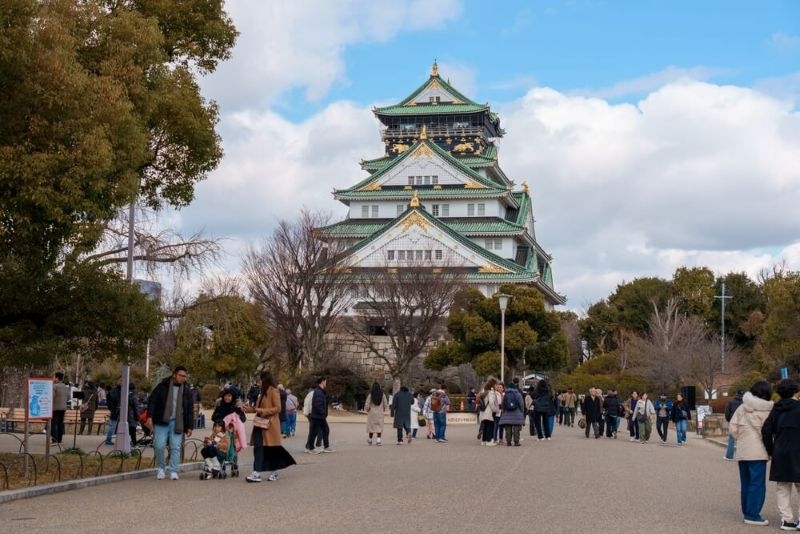
Osaka is the kind of city that quietly tricks people into walking ten miles. A quick snack run turns into a neon-lit canal stroll, then a detour through a shopping arcade, then one more bite because the smell is unfair. Timing matters because Osaka’s mood changes with the seasons. Some months feel breezy and easygoing. Others feel loud, packed, and pricier than expected.
This guide helps travelers pick dates based on three real-life factors: weather comfort, crowd level, and deal potential. While reading, do a quick gut-check after each section: would this feel fun, or would this feel like work?
For many first-time visitors, early spring and mid-to-late fall are the most comfortable windows. Walking feels pleasant, day trips are smoother, and the city looks great in daylight. But “best” depends on what someone wants. If they hate crowds, winter can be a smart move. If they love festivals and late-night energy, summer might still win, even with the sweat.
Try a simple ranking exercise. Give each priority a score from 1 to 5: comfort, low crowds, low prices, and seasonal scenery. The top two scores usually point to the right season.
Osaka sits in a humid subtropical zone, which is a polite way of saying summer can feel sticky. Spring and fall are usually the sweet spot for long days outdoors. Winter is cooler but rarely severe, so the city keeps buzzing. Summer is the toughest for comfort, because humidity makes an easy stroll feel like a workout.
Planning with an Osaka weather guide mindset helps. Look at average highs, but also watch humidity and rain patterns, since they shape how a day feels more than a single temperature number.
Crowds are not just about waiting in lines. They affect restaurant choices, hotel availability, train comfort, and even how long it takes to cross a busy intersection. Late March through early April is a big surge, and November often gets busy too. Major holiday weeks can spike demand fast.
That is the Osaka tourist season pattern people notice right away. It can be exciting, but it requires a different rhythm: earlier starts, reservations for popular meals, and fewer spontaneous “we’ll figure it out” moments.
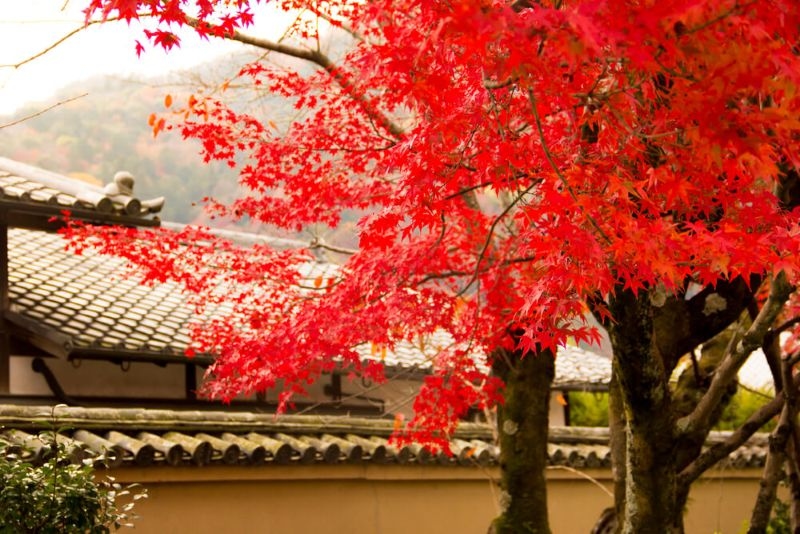
Sometimes the crowd is part of the point. Cherry blossoms in spring and crisp foliage in fall can make even ordinary streets look cinematic. Food spots feel extra lively, and parks are full of that happy, camera-in-hand energy.
That is why Osaka peak season is still worth it for many travelers. The trick is to plan like a local would: start the day early, schedule a calmer indoor stop midday, and save big attractions for weekdays when possible.
Shoulder season is the quiet hero. Think late May after the biggest holiday rush and late September into October when the air begins to settle. These periods often offer comfortable temperatures without the most intense crowds. Prices are not always “cheap,” but value improves because rooms and flights are not fighting a demand stampede.
A practical approach is to build a flexible arrival window. If someone can shift a trip by even a week, they often get noticeably better availability and pricing.
A lot of travelers skip Osaka in January and February because they assume it will feel dull. Usually it does not. The city is still lively, just less packed. Food culture does not take a break, and indoor experiences like department store food floors, museums, and the aquarium feel calmer.
This is where Osaka off season travel shines. A traveler can often stay in a nicer hotel for the same budget, get reservations more easily, and wander neighborhoods without feeling rushed.
March and early April bring blossoms, higher prices, and big crowds. Late April and May can be pleasant, but holiday weeks spike demand. June is wetter, though covered arcades keep days enjoyable. July and August are hot and humid, with festivals that can be unforgettable if someone is prepared. September starts warm but improves later. October and November are comfortable and popular. December feels festive, while January and February are cooler, quieter, and often better for deals.
If someone is locked into a specific month, the fix is usually pacing. Heat means more indoor breaks. Rain means more arcade wandering. Crowds mean earlier starts and smarter reservations.
Instead of chasing perfect temperatures, focus on what the Osaka climate does to a typical day. Humidity drains energy faster. Rainy weeks make outdoor schedules fragile. Cooler months can make food-hopping easier because people do not overheat and quit early.
So build an itinerary with backups. Mix outdoor neighborhoods with indoor anchors. Leave one afternoon open with no fixed bookings. Osaka rewards spontaneity, and the best finds often happen between the “big” spots. Knowing the Osaka climate ahead of time keeps expectations realistic and makes planning indoor resets easier.
Deals come from flexibility, not luck. Midweek flights often cost less than weekend departures. Hotels discount more when demand is steady, not frantic. Staying near a train line matters more than staying in the exact center, because Osaka’s transit is fast and forgiving.
Also, check what is included. A simple breakfast can save time and money. A property with laundry can be a quiet win on longer trips. If someone is traveling during Osaka tourist season, booking earlier reduces stress. In winter, last-minute hotel discounts are more common.
Before finalizing plans, glance at an updated Osaka weather guide again, especially in summer and early fall. A small forecast shift can change what a day feels like.
The Best time to visit Osaka depends on what a traveler values most. Spring and fall work well for comfort and scenery. Shoulder season often delivers the best balance of pleasant weather, manageable crowds, and solid value. Winter can be excellent for space, easier reservations, and better hotel options. Summer can still be fun for festival lovers who do not mind heat and humidity.
Even if someone has to travel during Osaka peak season, a few guardrails help: stay near a train line, start early, eat at off-hours, and keep indoor backups ready. And if the goal is calmer exploration, Osaka off season travel can feel like having the city slightly more to yourself.
January and February often offer lower hotel rates and easier reservations. Weekday check-ins and stays near train lines can stretch the budget further.
It can be, if the itinerary includes indoor backups like shopping arcades, museums, and food halls. Pack a compact umbrella and keep plans flexible.
For spring blossoms and fall foliage, booking flights and hotels about two to four months ahead is a safe move. Popular weekends may need even earlier planning.
This content was created by AI