

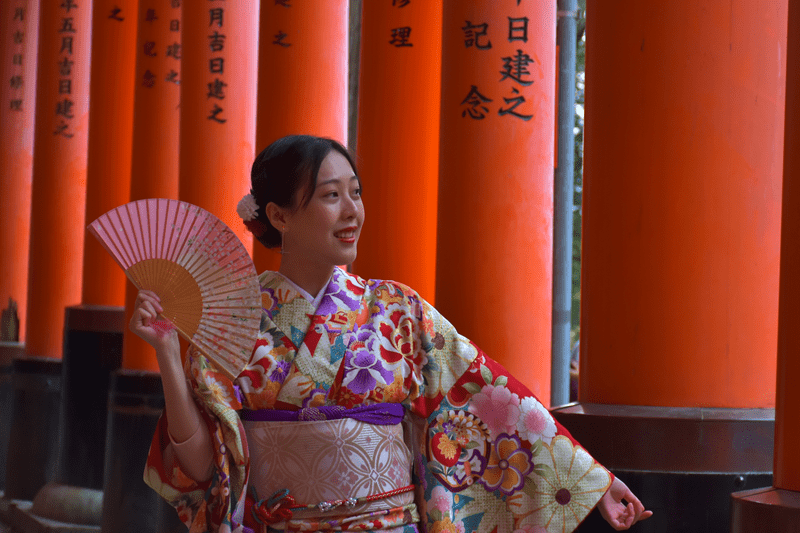
Osaka feels like the beating heart of everyday Japan. The city’s loud, funny, food-loving, and open—so much that most travelers relax the minute they arrive. It’s easy to think you can let your guard down, but don’t forget: Osaka travel manners still matter here.
The way you behave on the subway or how you handle street food—these cultural rules in Osaka really shape how people see you. Here’s a quick rundown of Osaka cultural etiquette. With these in your pocket, you’ll blend in and get more out of your time in this energetic city.
Osaka stands out from other Japanese cities. People here are louder, friendlier, and love a good laugh. Don’t be surprised if someone starts chatting with you out of nowhere—Osakans are famously outgoing compared to Tokyoites. But even with all this warmth, there’s still a strong sense of respect running through daily life.
When you learn the basic etiquette, you get why people in Osaka can be both friendly and disciplined. Politeness, thinking about others, and staying humble—these values never go out of style. So even if you’re joking around, show a little courtesy, especially in public.
Greetings in Osaka are simple but meaningful. People bow—it doesn’t have to be deep or formal, just a small nod when you say hello, thank you, or goodbye.
When you talk to people:
Saying “Arigatou gozaimasu” (thank you) or “Sumimasen” (excuse me) always works, even if your Japanese isn’t great. And if you’re wondering about eye contact, keep it brief—staring makes people uncomfortable.
Osaka’s busy, crowded, and sometimes chaotic, but people still expect good manners in public. Don’t be loud on trains or buses. Most folks keep their phones silent, and almost nobody talks on the phone in public transport.
So remember:
These habits help keep things comfortable for everyone.
Osaka’s trains and subways run like clockwork, and locals really follow the rules.
Here’s what you should do:
And during rush hour, wear your backpack in front of you to save space. It seems small, but it makes a big difference.
Food is everything in Osaka—no joke, they call it “Japan’s kitchen.” Whether you’re wolfing down takoyaki or savoring okonomiyaki, there are a few simple rules to follow.
One thing people notice: don’t eat while you walk. Even street food should be eaten near the stall or in a designated spot. It’s about keeping things clean and respecting everyone’s space.
Chopsticks have their own set of do’s and don’ts. Some actions remind people of funerals, so avoid them.
When you’re not using them, rest your chopsticks on the holder or across your plate. These details matter more than you might think.
Tipping isn’t a thing in Osaka—or anywhere in Japan. If you leave extra cash, the staff will probably run after you to return it. Good service is just part of the deal.
When you pay:
These habits show you respect the local way of doing things—and people notice.
Osaka’s shopping hubs—think Shinsaibashi or Namba—buzz with energy. The staff here is always polite, always on the ball. They go out of their way to help, and they expect visitors to show the same level of courtesy.
When you’re shopping, a few cultural rules in Osaka apply. Ask before you touch things. Don’t clog up the aisles. If you see a “no photos” sign, just put your phone away.
At checkout, you’ll probably notice cashiers wrapping your purchases with care. It’s not over-the-top; it’s their way of showing respect. Noticing these little things gives you a real sense of how much Osaka values good service.
Osaka’s streets stay spotless, but you won’t see cleaning crews everywhere. People simply clean up after themselves. Trash bins are pretty rare. Most folks just carry their garbage until they stumble on a bin.
Recycling isn’t just a suggestion, either—it’s taken seriously. Littering isn’t just frowned upon; it’s almost unthinkable. If you follow these habits, you’re showing real respect for the city and the people who live there.
Even if a shrine sits right next to a busy road, once you step inside, it’s a whole different world. Keep your voice down, move quietly, and show some respect.
Following these traditions really helps you blend in and shows you get what makes these places special.
People in Osaka are famously warm and funny. People chat more casually here than in Tokyo or Kyoto, but Osaka travel manners still count.
Finding this balance means you’ll have more genuine, enjoyable chats—and probably make a few friends along the way.
Osaka’s style is laid-back but tidy. Comfortable clothes are fine, but looking presentable counts for a lot.
You’ll want to avoid beachwear or anything too revealing if you’re just walking around town. At religious sites or more traditional spots, opt for modest outfits. It’s a simple way to show you understand and respect local expectations.
Here’s a cheat sheet of Japan etiquette tips to help you blend in.
Little things like this really help you feel at home.
Osaka is lively, friendly, and packed with personality, but it runs on mutual respect and a kind of quiet social awareness. If you pick up on the Osaka customs guide, you’ll find the city opens up to you in ways you might not expect.
Pay attention to how you act, dress, and interact, and people notice. You’ll get a warmer welcome, smoother experiences, and leave with a better feel for what really makes Osaka tick.
Yeah, people in Osaka are usually pretty understanding. Still, it goes a long way if you try to follow the basics.
Sure, those nightlife spots are lively, but you’re still expected to be aware of others and show some respect.
Nope, tipping just isn’t a thing in Japan. People will usually turn it down, even if you insist.
The rules don’t really change, but there’s something about Osaka—it’s just friendlier and more relaxed. People still care about respect, sure, but the whole place feels lighter.
This content was created by AI