

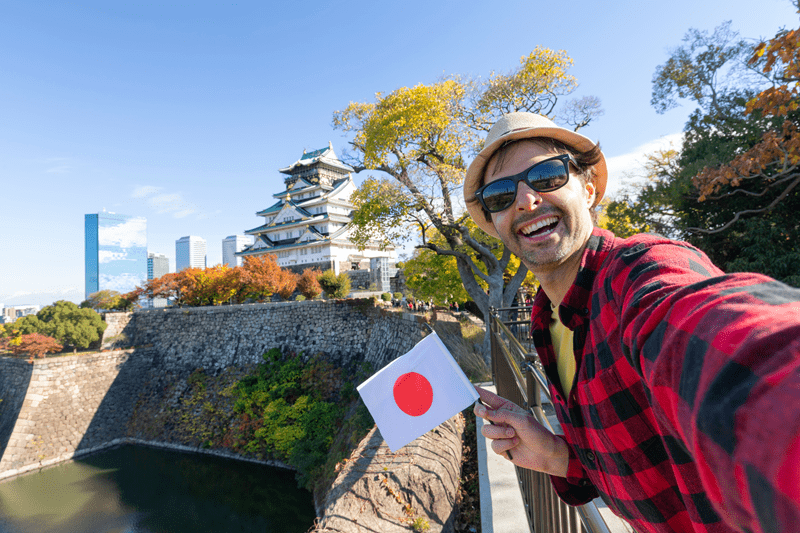
Planning your first trip to Japan feels exciting—and, let’s be honest, a little overwhelming if you’re not sure where to start. Osaka usually pops up as a favorite starting point because it’s got this laid-back, welcoming energy, buzzing streets, and a serious love for food. Still, many people make simple mistakes that can disrupt their trip.
This Osaka first-time travel guide is here to help you plan smarter, dodge the usual pitfalls, and actually enjoy the city instead of stressing out.
Don’t rush into booking hotels or making a packed itinerary just yet. Take a little time to get a sense of what Osaka’s all about. It’s the third biggest city in Japan and really the soul of the Kansai region. Compared to Tokyo, Osaka is more relaxed, louder, and social. People here are famously friendly, so if you’re one of the new Osaka travelers, you’ll probably feel right at home.
Osaka isn’t built around one central downtown. Instead, you’ve got all these different neighborhoods, each with its own vibe. That can throw you off at first, but it’s actually great—no matter where you are, something interesting is always happening close by. The trains and subways connect everything pretty smoothly, but this Osaka trip overview really helps to know where you’re staying and how you’ll get around.
Where you sleep matters—a lot. First-timers often just book a random hotel and end up far from the action, which means long commutes and way too much walking. You want to stay somewhere that makes it easy to get around.
For most people, the safest bets are Namba, Umeda, or Shin-Osaka. Namba is super popular because you can walk everywhere, there’s food on every corner, and it’s packed with things to see. Umeda is a transport hub, so you can get almost anywhere, but its huge underground maze can be confusing at first. Shin-Osaka is perfect if you’re planning to hop on the bullet train to other cities.
If this is your first time in Osaka, staying near Namba or Umeda keeps things simple. You’ll spend less time figuring out directions and more time actually enjoying yourself.
Osaka’s transportation network works well, but it can feel complicated if you’ve never dealt with Japanese trains before. Several companies run different lines, and it’s easy to get turned around.
Here’s what helps:
Big stations like Umeda and Namba can feel like underground cities. Give yourself extra time for transfers, especially at the beginning. Once you get the Osaka travel basics down, getting around gets a lot less stressful.
Food really shapes Osaka’s whole vibe. They don’t call it “Japan’s kitchen” for nothing—meals are easygoing, affordable, and full of bold flavors. Still, if you’re just arriving, figuring out what to order or how to act at the table can feel a little intimidating.
Street food is everywhere, and skipping it is a mistake. Takoyaki, okonomiyaki, kushikatsu—don’t leave without trying them. Many small places use vending machines to order, which seems weird at first but makes sense once you try it.
And don’t worry about tipping—nobody does it in Japan. Knowing these little things takes the stress out of eating and lets you just enjoy what’s on your plate.
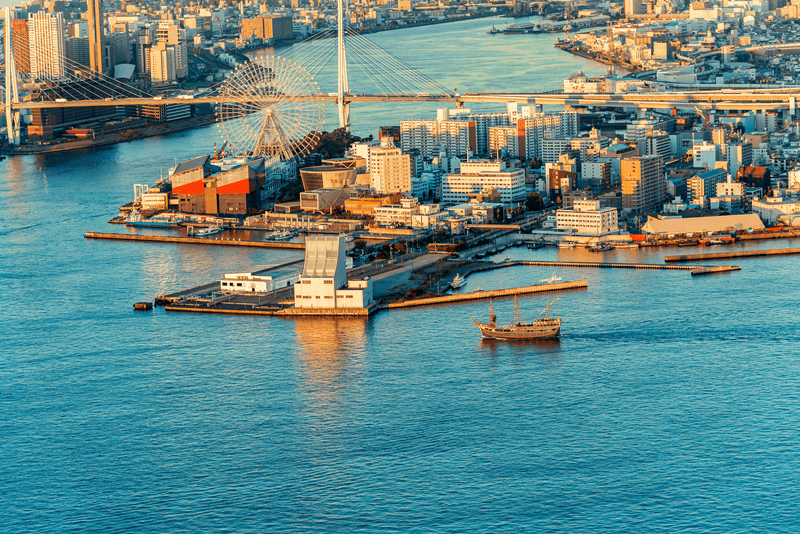
It’s easy to fall into the trap of cramming your Osaka trip with every sight you can find. The city’s packed with things to do, but racing from one spot to the next just leaves you drained. Slow down. Pick out a few highlights and really enjoy them.
Here are a few places you shouldn’t miss:
Try sticking to two or three main stops a day. That way, you’ll have time to relax, snack, and stumble onto something unexpected. Honestly, those unplanned moments often end up being the best part of the trip.
Osaka makes a great home base for side trips. Kyoto, Nara, Kobe — you can get to all of them pretty easily. But if you fill your schedule with back-to-back excursions, you’ll burn out fast and barely see Osaka itself.
Give yourself at least one whole day just for Osaka. You deserve time to wander the city without rushing for a train every morning.
Shopping in Osaka is fun, but it’s easy to get carried away. Credit cards work in most places, but you’ll still need cash for markets and smaller shops.
A few things to remember:
Try leaving most of your shopping for the last day or two. It helps you avoid impulse buys and that last-minute suitcase struggle.
Osaka’s vibe is pretty chill, but that doesn’t mean anything goes. Some basic etiquette goes a long way.
Just watch how locals do things and follow along. It’s simple, and you’ll fit right in.
Packing incorrectly can make your trip miserable. Summers here are hot and muggy; winters are cool, not freezing. Spring and fall feel great, but the weather can turn quickly.
Bring comfy shoes — you’ll walk a ton. In the summer, go for light clothes. In the cooler months, pack layers. Always check the forecast before you go.
You’ll see plenty of English signs in touristy areas, but don’t count on everyone understanding you. And public Wi-Fi sometimes works, sometimes it doesn’t.
Grab a pocket Wi-Fi device or eSIM if you can, and download offline maps. Learn a few basic Japanese phrases; even a little effort makes things easier.
Your first trip to Osaka is all about being prepared and flexible. Pick a good spot to stay, learn how to get around, respect the local customs, and don’t overbook yourself. Learning Osaka travel basics rewards people who show up curious and open-minded.
With the right approach — and a bit of this advice in your back pocket — your first visit won’t just be smooth. It’ll be one you’ll actually remember.
Osaka ranks among the most beginner-friendly cities. The city's hospitable vibe makes it perfect for Osaka's new travelers.
Three to four days are typically enough to see the major attractions and eat at least try the local cuisine, according to a well-balanced Osaka trip overview.
Not necessarily, but it doesn't hurt to know some basic phrases. Most of the Osaka travel details can be done with little language skills.
Osaka has choices for people with different budgets, thus it is a nice place to stay for travelers following an Osaka beginner guide.
This content was created by AI