

Planning a trip to Osaka is exciting. Neon lights. Street food aromas. Train stations that hum like well-oiled machines. But somewhere between booking flights and mapping out ramen spots, money questions sneak in. How much cash do you really need? Will your credit card work everywhere? Is tipping a thing or a trap? This guide walks you through Osaka’s money culture in plain English. We’ll cover everyday payment habits, ATMs, cards, and a few quiet rules locals follow without thinking. By the end, you’ll feel calm, prepared, and ready to spend without second-guessing every yen.
Before you land, it helps to get comfortable with how money actually works on the ground. Japan is modern, efficient, and polite, yet its money habits still surprise American travelers.
Osaka currency tips start with understanding that Japan balances tradition with technology. You’ll see shiny card readers next to handwritten signs that say cash only. Both can exist in the same block. That’s normal here.
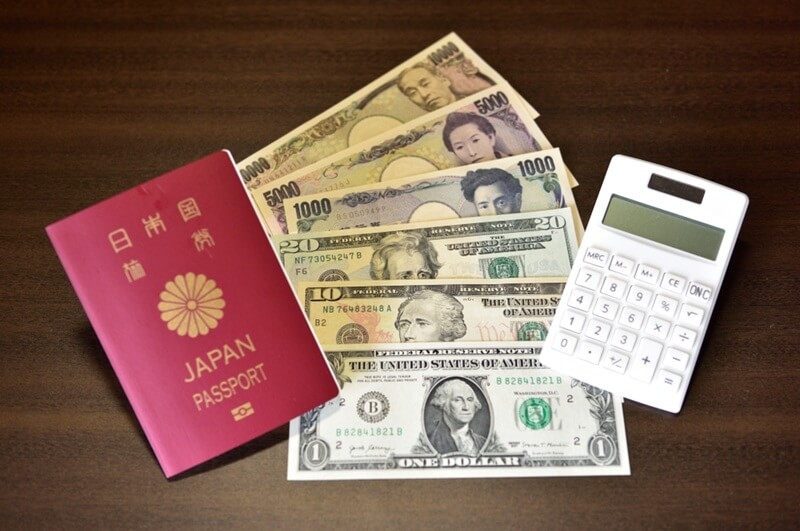
Japan uses the yen, and it comes in bills and coins you’ll use daily. Bills are clean and crisp. Coins add up fast, and you’ll get used to the weight in your pocket.
Coins include 1, 5, 10, 50, 100, and 500 yen. Bills usually come in 1000, 5000, and 10000 yen. The 10000 yen note may look intimidating, but locals use it casually, like a 100-dollar bill at home.
Prices include tax most of the time. No mental math at checkout. Honestly, it feels refreshing.
You might notice prices feel lower than expected, then realize you’re paying in yen. Exchange rates can make Osaka feel affordable or pricey depending on timing.
For Americans, the key is consistency. Don’t obsess over every conversion. Set a rough mental rule. For many travelers, 1000 yen feels like about 7 to 8 dollars. Close enough for comfort.
This is where expectations often clash with reality. Japan isn’t anti-card, but it isn’t fully cashless either.
Cash vs card Japan debates pop up everywhere online, and the truth sits right in the middle.
Small restaurants, local markets, shrine stalls, and old school bars often prefer cash. Some won’t even mention it until checkout, which can feel awkward if you’re unprepared.
Street food in Osaka, especially in areas like Kuromon Market, leans heavily toward cash. The food is worth it, trust me.
Hotels, department stores, chain restaurants, and larger shops usually accept major credit cards. Visa and Mastercard are the safest bets. American Express works in many places, but not all.
Transit passes and ticket machines often take cards now, though having backup cash keeps stress low.
Money habits in Osaka reflect daily rhythms. Once you spot the pattern, things click.
Osaka money usage is practical, polite, and quietly efficient.
You usually pay at the register, not at the table. Staff may hand you a small tray. Place your cash or card there instead of handing it directly. It’s a subtle courtesy that locals appreciate.
No tipping. Ever. Leaving extra money can cause confusion, not gratitude.
7-Eleven, Lawson, and FamilyMart are everywhere. They accept cards, sell prepaid IC cards, and host reliable ATMs. Honestly, they feel like tiny travel assistants scattered across the city.
Late-night snack run plus cash withdrawal? No problem.
Osaka’s vending machines are everywhere, humming softly on side streets and near train exits. Most still prefer cash, especially older machines, though some now accept IC cards.
It’s a small thing, but it shapes daily spending more than you’d expect.
Trains, subways, and buses run on precision, and payments follow the same rhythm. Tapping an IC card is the norm, but cash still works at ticket machines.
Once you fall into this routine, moving around the city feels almost effortless.
Japan quietly offers more ways to pay than many visitors realize. Some are familiar. Others feel new.
Japan's payment methods range from classic to surprisingly digital.
These reloadable cards are magic. Tap to ride trains, buy drinks, even pay at some shops. In Osaka, ICOCA is the local favorite, but Suica works just as well.
You can load them with cash or a card. Once you start using one, you’ll wonder why every city doesn’t do this.
Apple Pay and Google Pay work in many places, especially where IC cards are accepted. QR payments like PayPay are common among locals, but tourists may find the setup tricky.
Think of these as helpful extras, not essentials.
Finding an ATM in Osaka is easy once you know where to look. Using one without fees or panic takes a little planning.
This Osaka ATM guide keeps it simple.
7 Eleven ATMs are the gold standard. They accept foreign cards and offer English menus. Post office ATMs also work, though hours can be limited.
Airports have ATMs, but lines can be long. Grabbing cash in the city often feels calmer.
Your US bank may charge a foreign withdrawal fee. Japanese ATMs may add a small usage fee, too. It’s normal.
Withdraw larger amounts less often to reduce repeated fees. Just don’t carry more than you’re comfortable losing.
Minor missteps can feel bigger when you’re tired or jet-lagged. A few gentle habits keep things smooth.
Counting cash in front of a cashier is fine. Tossing bills on the counter is not. Use the tray provided. It feels ceremonial at first, then natural.
Coins go in wallets or coin pouches. Pockets get messy fast.
Osaka offers cheap eats and splurges side by side. A bowl of takoyaki costs pocket change. A fancy omakase can empty it.
Set a daily comfort range instead of a strict budget. Flexibility makes the trip feel lighter.
Money worries can quietly shape a trip. Too much caution steals joy. Too little planning creates friction. Osaka rewards travelers who strike a balance.
With a mix of cash, a reliable card, and an IC card in your pocket, you’re covered. You’ll glide through train gates, snack without hesitation, and pay without second-guessing. That confidence frees you to focus on what really matters. The food. The streets. The feeling of being somewhere beautifully unfamiliar.
Around 5000 to 10000 yen covers meals, transit, and small shopping. Adjust based on your plans.
They work in many places, but not all. Always keep backup cash handy.
No. Tipping is not part of Japanese culture and can cause confusion.
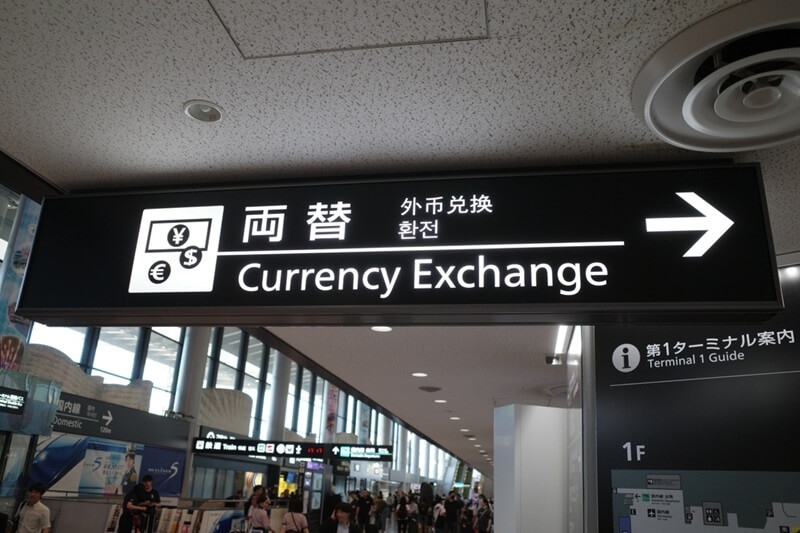
They exist at airports and major stations, but ATMs are often more convenient.
This content was created by AI