

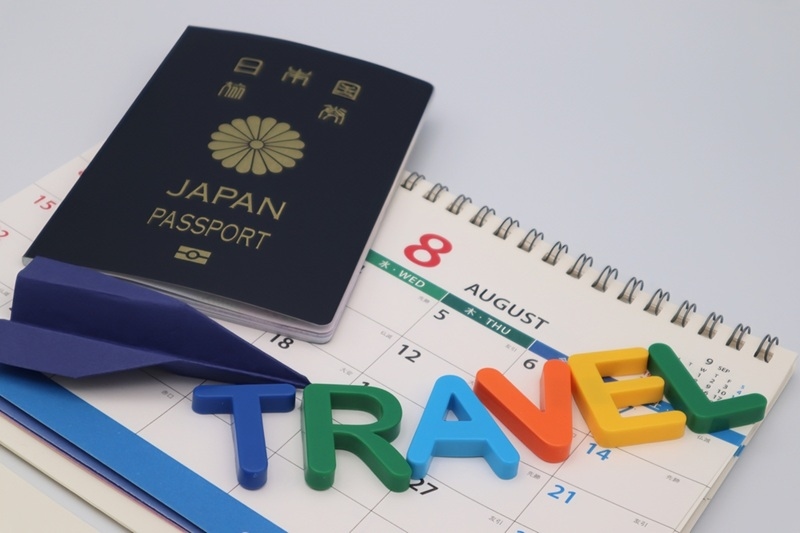
The excitement of planning your first trip to Japan will diminish as you realize how much there is to see. It will take weeks to visit every district in Tokyo, while Kyoto, Osaka, Mount Fuji, and Nara provide very different, equally stimulating experiences. This is why a realistic Japan travel itinerary is so important for those visiting Japan for the first time.
In recent years, Japan has attracted millions of international tourists, thanks to its ultramodern metropolises, age-old traditions, a food scene that simply can't be beaten, and arguably the most punctual transport network on earth. Whether you're passionate about anime, temples, cherry blossom seasons, neon nightlife, or street food, Japan somehow manages to incorporate all into one fantastic, unforgettable destination.
This travel guide to Japan article covers all the crucial information first-time travelers need when visiting Japan, including how to plan a Japan trip, budgeting, transport, etiquette, and the best route to help ensure your vacation itinerary runs smoothly.
Japan may be incredibly organized, but it adheres to cultural norms that are quite different from those of most Western countries. It is best to have a clear and concise Japan travel plan. Trains run on timed intervals, people speak in hushed tones in public places, and politeness is highly valued.
One thing you should remember for your Japan trip is that Japan still appears somewhat less friendly towards plastic than Western countries. While the card system is increasingly accepted, smaller restaurants, shrines, and shops may be more likely to operate on a cash-only basis.
The internet connection isn't always readily available. Renting a pocket Wi-Fi or using an eSIM before you enter Japan can make all the difference to your Japan travel itinerary navigation.
Most first-time travelers in Japan find that a simple approach to their Japan trip planning goes a long way. The temptation to fit in six to seven cities in one week often exhausts travelers and diminishes their overall Japan trip experience.
It is more advisable to:
A visit to convenience stores like 7-Eleven, Lawson, or Family Mart can be surprisingly beneficial for finding meals on a budget, coffee, snacks, or cash.
A substantial part of Japanese tourism is about shopping. Many tourists purchase skincare products, electronics, anime goods, fashion items, and sneakers when they visit.
Travelers spending more than 5,000 Japanese Yen at select stores can receive tax refunds, provided they have their passports. Stores in large shopping districts like Shinsaibashi in Osaka, Shibuya, and Ginza have dedicated tax-free counters to assist international travelers.
Having large luggage at busy Japanese stations can cause inconveniences, especially during rush hour. The public transport is incredibly efficient; however, there are numerous stairs, transfers, and cramped spaces in Japanese stations.
For these reasons, many tourists opt for luggage forwarding services, known as "Takkyubin." These services allow you to send your bags straight to your next hotel for approximately 2,000-3,000 yen, making train travel easier.
The Japanese approach to rules and etiquette emphasizes high consideration for public spaces and other individuals.
Some knowledge of Japanese can be very useful on your Japan trip; even just a few simple phrases will be well received:
Most young Japanese in tourist areas know some English; however, these basic phrases can be immensely helpful.
The vast majority of international visitors arrive via:
In addition to a valid passport, tourists will need hotel details and an onward plane ticket to pass through immigration. Japan has an incredibly well-developed airport transportation system that ferries tourists to the cities they visit.
Tokyo airports are serviced by Narita Express (N'EX), the Keisei Skyliner, and the Airport Limousine Bus, while Osaka airports are serviced by the Haruka Express and the Nankai Airport Railway. Public transportation is significantly faster and cheaper than taking a taxi.
Japan's transportation system is second to none in the world. The Shinkansen Bullet train connects you from major city to major city extremely rapidly and comfortably with travel speeds in excess of 300 km/hr. For travel around the cities, use IC cards (like Suica or ICOCA); these cards are an excellent, cost-effective way to pay for train and bus journeys, though there are generally more buses than trains in Kyoto. Travelers might also consider a Japan Rail Pass for long-distance travel.
Before visiting a place, one must consider the best time to go. The changing seasons offer a very different experience. So, know the best time to visit Japan:
Spring (March-May): Cherry blossoms bloom, making it a highly popular time of year, and many tourists visit during these months.
Summer (June-August): Known for its festivals and firework displays, the mountains are very popular during this time, though it is a humid month.
Autumn (September-November): Foliage is spectacular in areas like Kyoto and Tokyo.
Winter (December-February): The ideal time of year for skiing, hot spring retreats, and snow festivals.
Spring and Autumn remain the most popular times of the year to visit the land of the rising sun.
A Japan trip is generally more affordable than travelers think.
Food is surprisingly cheap. Ramen meals are typically under 1,000 yen, while convenience store foods continue to remain high-quality and cost-effective.
Here is your step-by-step guide to visiting Japan and things you must cover:
You are likely to arrive in Tokyo; hence, this will form the first section of your Japan trip plan.
Tokyo is a fascinating mixture of ultra-modern technology, age-old traditions, pop culture, and diverse districts, all encapsulated within this immense city. Spend the first few days acclimating to the new environment and exploring famous districts such as
Pay a visit to the Senso-ji Temple in Asakusa, witness the iconic Shibuya Crossing, and go to the top of Tokyo Skytree to view a spectacular panoramic view of the city.
You will also discover a delicious and vibrant food scene, which, by the way, boasts more Michelin-starred restaurants than any other city in the world, although a delicious ramen dish or snack from a convenience store will do you just as well.
For city navigation, consider purchasing a Suica or Pasmo card, which can be used on most train lines throughout the city.
It is difficult to imagine a Japan travel itinerary that doesn't include at least a glimpse of Mount Fuji. Hakone is a popular destination for day trips from Tokyo; it's brimming with nature, hot springs, and fantastic scenery. There are cable cars, lakes, and traditional hot spring baths to be enjoyed. If you're lucky with the weather, you can obtain a clear view of Mount Fuji from various locations in Hakone. Many photography enthusiasts would say that Hakone is an excellent place to visit in autumn, thanks to the fantastic maple trees that provide an inspiring backdrop for Mount Fuji.
Kyoto offers a stark contrast to the bustle of Tokyo; rather than high-rise buildings and commercial centers, you will find tranquil bamboo forests, shrines, tea houses, and narrow, winding streets. Kyoto served as Japan's capital city for over 1000 years and is still regarded as one of the most traditional cities in Japan. Be sure to include visits to:
You'll often see travelers dressed in kimonos as they explore Kyoto's historic districts, and the area around Higashiyama in particular can make for an excellent photograph location. Traditional Japanese tea ceremonies and temple stays can also be arranged in Kyoto if you're keen to immerse yourself in authentic Japanese culture.
Energy, amusement, and fantastic food come to mind when thinking of Osaka and can certainly enhance your Japan trip. Often referred to as "Japan's Kitchen," Osaka is famous for its takoyaki, okonomiyaki, and kushikatsu (skewered deep-fried meat and vegetables). The Dotonbori district comes alive at night with bright neon lights and bustling restaurants.
In contrast to Tokyo, Osaka feels a little more relaxed and laid-back. The residents are generally known for being quite friendly and conversational.
If you're a keen street photographer or if you love to eat, Osaka might very quickly become one of the top things you discover on your Japan trip.
Food in Japan is far more than just sushi. Some popular dishes include:
Many tourists also find that, compared to most countries, even convenience store food is surprisingly amazing in Japan! Platforms such as Leisure.com offer travel options that help visitors choose their destination based on local culture, activities best suited to different seasons, and, of course, local food specialties as they plan their travel itinerary.
Creating the perfect Japan travel itinerary is truly a balancing act. You want enough time to embrace and immerse yourself in Japanese culture, the local food scene, and the busy cities without constantly stressing about navigating trains and checking into hotels. Tokyo is a great introduction to Japanese modernity; Kyoto offers history and tradition, while Osaka offers a vibrant mix of nightlife and unforgettable culinary delights. It is also advisable to have itinerary tips handy before visiting a new country like Japan.
The country really rewards travelers who opt for a slow and intentional approach. Whether you're relaxing in a traditional onsen with a view of Mount Fuji, taking a stroll around the temples of Kyoto, or sitting in a small ramen bar in Tokyo, every second you spend in Japan feels unique. With careful Japan trip planning, a realistic schedule, and a flexible travel itinerary, your first experience of Japan is almost guaranteed to be one of the most cherished and unforgettable of your life.
Spring and autumn are usually considered to be the ideal seasons for traveling to Japan. While the peak Cherry Blossom period between March and April is stunningly beautiful but extremely crowded, autumn brings colorful foliage to the temples of Kyoto and the vibrant streets of Tokyo from October to November. Winter offers ample opportunities for snow enthusiasts, while summer offers lively fireworks and festivals.
The country can accommodate a range of budgets, depending on traveler preferences. Budget travelers typically spend about $80 to $120 a day, while mid-range visitors should expect $150 to $250 a day. Eating cheap but convenient meals from convenience stores, choosing a capsule hotel, and using a Japan Rail Pass are all excellent ways to reduce costs. Pre-planning transportation and accommodation early also greatly helps to cut down on expenses.
Not at all. Japan is one of the easiest countries for solo travelers and those who are happy to navigate on their own. There is efficient and fast public transportation, tourist-friendly signage in many regions, and it is an extremely safe country. Guided tours, however, are helpful if you want to learn about Japanese history and culture from experts, especially around areas such as Kyoto, Hiroshima, or in the countryside.
This content was created by AI