

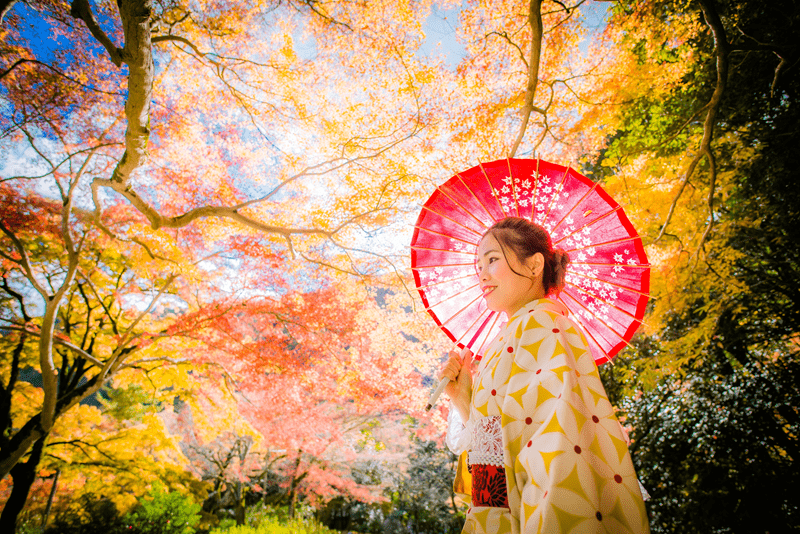
People call Osaka “Japan’s kitchen,” but there’s a lot more to the city than food. Osaka is this wild mix of history, humor, daily routines, and a kind of creativity that just feels easy. If you’re the type who wants more than just snapping photos or checking off landmarks, you’re in luck.
What really sets Osaka apart is the vibe. It’s friendly, open, and a bit more laid-back than other big Japanese cities. If you plan your Osaka culture trip around meeting people and getting involved, you’ll walk away with more than just vacation memories — it’ll feel like you actually connected.
Osaka traditions experience just sort of fit into regular life — in the food, the festivals, even the way neighborhoods go about their day.
Food is the heart of Osaka, and sharing a meal means sharing a piece of the city itself. Jump into a cooking class. Locals will show you how to make classic comfort dishes, and you’ll pick up stories and family tricks you won’t find in any guidebook.
Workshops aren’t stiff or formal. They’re social, fun, and you actually get to eat what you make. Usually, you’ll hear a bit about the history behind the dishes, try your hand at using traditional tools, and then sit down to share the meal with everyone. If you like rolling up your sleeves and learning by doing, this is for you.
Want to see the real Osaka? Walk through its old neighborhoods with someone who knows the area. You’ll find tiny shrines, hidden alleys, and little shops that have been around forever — all the things that give the city its character.
These tours aren’t about rushing to famous sights. They’re about stories — memories, old legends, how people live day to day. The guides make history feel alive and personal. If you want to get under the surface, these walks are a great way to do it.
Traditional arts are alive and well here. You can jump into workshops for calligraphy, pottery, or textiles—whatever catches your eye. It takes patience, sure, but there’s something special about honoring the craft itself.
The sessions feel calm, but there’s a lot going on beneath the surface. You don’t just pick up a new skill; you get a real sense of how creativity and mindfulness shape Japanese life. And beginners are always welcome, so no stress if it’s your first time.
Osaka really comes alive when festival season hits. Every neighborhood turns into a party—music spills out onto the streets, lanterns glow everywhere, and food stalls pop up on every corner. People don’t just watch from the sidelines.
At these festivals, you can:
Honestly, there’s no better way to get under Osaka’s skin. A festival visit gives you a front-row seat to living traditions that shape daily life here.
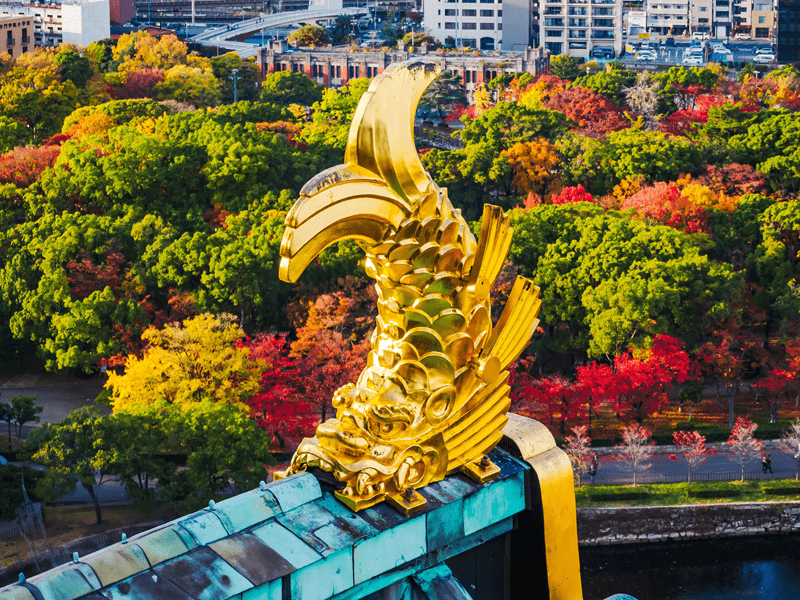
Osaka has a real thing for stories and humor. The city’s theater scene is buzzing—puppet shows, quick-fire comedy, you name it. People here don’t just perform for laughs; they use the stage to share what they feel, tease each other, and really bond with the crowd.
Catch a play or comedy show, and you’ll feel the city’s energy straight away. You do not have to be concerned about not being able to speak Japanese; there are English guides available at some locations, as well as brief explanations, so you won't miss out on any of the fun!
Osaka may be a bustling metropolis, but venture off the beaten path and you will discover dozens of small temples and local neighbourhoods with small shrines tucked away in quiet places. Locals stop by to pray, light some incense, or just slow down for a moment. It’s a good way to catch your breath, too.
Add a stop at a neighborhood shrine to your Osaka culture trip, and you’ll see another side of Osaka. It’s a chance to slow down, watch locals in their routines, and feel the quiet side of the city. Plus, you get a break from the crowds.
Some of the best memories come from doing the simple stuff. Go shopping at a market, try a public bath, or wander on a casual food walk. That’s where you see how people actually live—no script, no performance, just real life.
These everyday adventures feel the most personal. You might end up sharing a snack with a local or stumbling on a hidden shop. Mix these moments with a few tours, and your trip gets a nice, easy rhythm.
Osaka’s always been a city of traders, and you can feel it in the way people eat, joke, and do business. Museums and guided tours about the city’s merchant history lay it all out, showing how trade shaped everything from food to humor.
You’ll find hands-on exhibits and stories that make history come alive. Suddenly, the city’s love of markets and lively street culture just makes sense.
Osaka’s not stuck in the past. Modern culture is everywhere—think bold street art, cutting-edge fashion, and a music scene that never stops moving. Young people here take old traditions and make them feel brand new.
Joining a street art tour or checking out a music club lets you see this creative energy up close. Mixing old and new gives your trip a spark. That’s what makes Osaka stand out—it’s always changing, always alive.
Osaka has its own vibe, no question. The city grew up as a merchant hub, and you can sense that in the way people act—practical, full of life, always on the go. Folks here care about being straight with each other, sharing a laugh, and working things out on their own.
You’ll see it when you join local experiences — guides and hosts don’t just recite facts, they talk with you. They want you in the conversation. What’s cool is how Osaka just lets old and new things blend together. You’ll see ancient traditions living side by side with street fashion and pop culture.
Osaka isn’t just somewhere you visit and leave. The city pulls you in, no question. You taste its culture every time you eat. You hear it in the stories people share, in the laughter that spills out onto the street, and in all the little routines that make up daily life here.
A real Osaka traditions experience pulls you in both directions—old traditions and new surprises, all at once. You don’t just leave with souvenirs; you go with stories, connections, and memories that hang around long after you’re home.
Food workshops, local neighborhood walks, and seasonal festivals. They’re easy to join and give you a real taste of the city.
Absolutely. Plenty of places offer English support, and locals are usually happy to help out.
Give yourself two or three days. That’s enough time to dive in without feeling rushed.
No problem. Lots of heritage tours only take a few hours, so you can fit one in even if you’re short on time.
This content was created by AI