

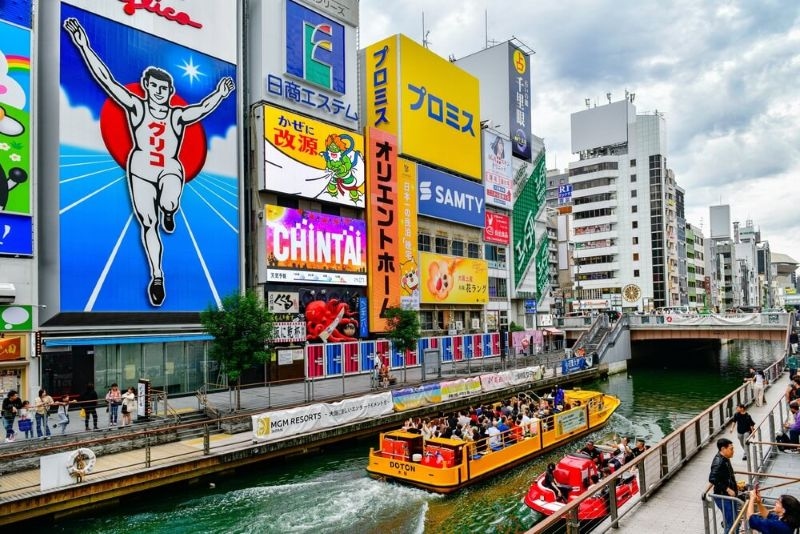
Osaka has a reputation for eating like it means it. Not in a fancy, quiet way either. More like, “grab a skewer, stand to the side, and smile because this is ridiculous” kind of joy. The city runs on casual meals, quick snacks, and late-night bites that somehow taste even better under bright signs.
This guide walks through the neighborhoods and streets that food lovers keep chasing. Not just the famous photo spots, but the places that make a trip feel delicious, even when someone is tired and a little lost. Because that is part of the fun too.
Before jumping in, here is a quick way to use this: pick two areas for daytime grazing, one for a sit-down dinner, and one for a late-night wander. Then leave one slot open for whatever looks good in the moment. Osaka rewards the impulsive eater.
When people say “food districts” in Osaka, they often mean a mix of lively streets, station-side alleys, and neighborhoods where eating is the main event. Some spots are built for street snacks. Others are about tiny restaurants with eight seats and a chef who has been perfecting one dish for twenty years.
The good news is that most of these areas are easy to reach by train. The better news is that they are walkable once someone gets there, which matters because a food crawl works best when it feels effortless.
To keep things simple, think of Osaka’s food map in three moods:
This is the Osaka everyone recognizes. The canal, the glowing signs, the crowds moving like a tide. It can feel touristy, sure, but it is touristy for a reason. This area is one long “what is that smell” moment.
Here, Osaka street food areas and big-name snack stands show up back-to-back. Takoyaki is the obvious choice, but not the only one. Okonomiyaki, grilled seafood, melon pan, skewers, and weirdly good fries pop up everywhere. The key is pace. Eat one thing, walk ten minutes, eat another.
A small tip that saves frustration: go earlier in the evening if possible. Late night gets packed, and lines become part of the experience whether someone wants them or not.
Kuromon Ichiba is not a single street. It is a market stretch where almost everything looks edible. It is great for people who want variety without overcommitting to one restaurant.
This is one of those best food areas Osaka travelers should not over-plan. Just show up hungry, walk slowly, and pick based on smell and mood. Try grilled scallops, fresh fruit, sushi bites, wagyu skewers, and matcha treats. Then take a breath. Markets can overwhelm fast.
One practical move: carry cash and a small trash bag. Many stalls are quick and informal. Keeping it tidy makes everything easier.
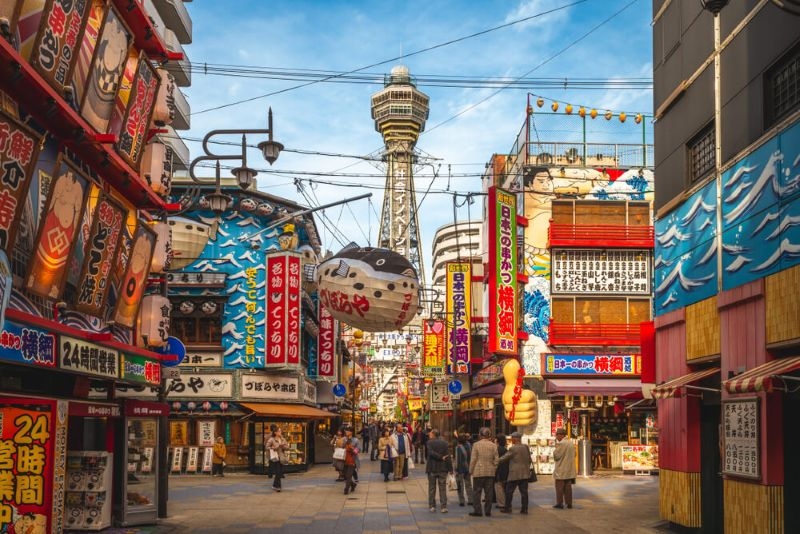
Shinsekai feels like it is holding onto an older version of Osaka, in the best way. It has that playful, slightly scruffy charm, with colorful signs and a local energy that is different from Dotonbori.
Kushikatsu is the headline here. Fried skewers of meat, vegetables, and seafood, usually paired with cabbage and dipping sauce. There is one big rule that gets repeated everywhere: no double-dipping in the communal sauce. People say it with a smile, but they mean it.
If someone wants classic food streets in Osaka energy without the same level of tourist crush, Shinsekai hits nicely, especially on a weekday evening.
Umeda is busy, modern, and full of people who look like they are going somewhere important. Hidden inside that rush is a strong food scene, especially around Osaka Station and the connected buildings.
This is where Osaka dining neighborhoods can feel a bit more grown-up. Department store basements have food halls that are genuinely impressive. Train station complexes include ramen lanes, izakayas, bakeries, and dessert spots that turn a quick stop into an accidental meal.
For travelers who hate wasting time on logistics, Umeda is smart. It is easy to eat well without hopping all over the city.
Tenma is one of those areas that food lovers talk about like a secret, even though it is not. It is packed with small bars and eateries, often with open doors and lively chatter spilling out.
This is where Osaka food zones start to feel personal. People hop between spots, order a few small plates, drink something simple, and keep moving. It is less about one big meal and more about a string of good bites.
Go with a loose plan. Pick a first place based on vibe, then decide the next stop after. Tenma works best when it stays flexible.
Tsuruhashi is famous for its Korean food scene, and the moment someone steps out of the station, the smell of grilling meat basically makes the decision for them. This is a top pick for yakiniku and Korean-style barbecue, plus kimchi, stews, and street snacks.
It can feel busy and a little chaotic, but in a fun way. The food is bold, comforting, and perfect when someone wants a break from “tourist menu” feeling. For travelers chasing best food areas Osaka beyond the usual highlights, Tsuruhashi is a strong choice.
Amerikamura, often called Amemura, is known for youth culture, street fashion, and casual hangs. The food scene matches that mood. Think quick eats, modern cafes, dessert spots, and small restaurants that feel current.
This is also near Shinsaibashi, which means it is easy to combine shopping and food without planning a big detour. People can grab a fluffy pancake, a coffee, a spicy bowl, or something fried and glorious, then keep walking.
It is not the most traditional area, but it is lively. And honestly, sometimes that is the point.
Here is an easy structure that keeps a food crawl fun instead of exhausting:
This is also a good time to remember the keyword that matters most: Osaka food districts are spread out, but the transit makes them feel close. A trip does not need to be packed into one area. It can flow.
And if a traveler wants the classic street-snack vibe, Osaka street food areas like Dotonbori, Kuromon, and Shinsekai are the easy wins.
Some travelers get stuck trying to “choose the perfect place.” Osaka does not demand that. It rewards curiosity.
A short list that rarely disappoints:
Also, ask a silly question while walking: “What would be regretted most if it is skipped?” Then go eat that.
Osaka is relaxed, but a few habits help:
None of this needs to be stressful. It is just part of the rhythm.
A good food trip has structure, but it also has one unexpected win. A small counter restaurant with a chef who remembers orders. A random skewer that tastes better than it should. A dessert that makes someone stop walking for a second. That is Osaka.
So yes, plan the famous places. But leave space too. The city’s best meals often show up when someone stops trying so hard.
Dotonbori and Namba are the easiest start because everything is close and visually obvious. Kuromon Ichiba Market is also beginner-friendly.
Generally yes, especially at busy stalls with high turnover. Choose places where food is cooked fresh and served hot.
Two to three is realistic without rushing. More is possible, but it can start feeling like a checklist instead of a fun crawl.
This content was created by AI