

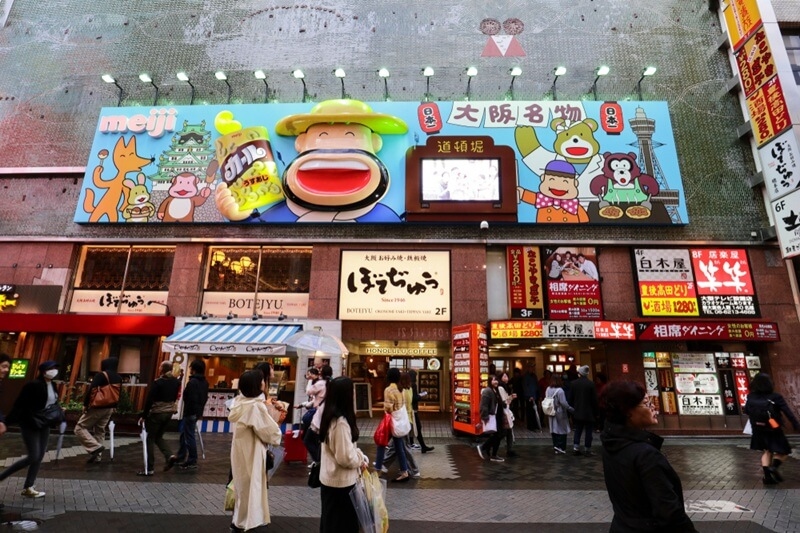
Planning a food-and-culture walk through Osaka feels a bit like standing in front of a long sushi counter. Everything looks tempting. Where do you start? The city isn’t just one experience. It’s a patchwork of neighborhoods, each with its own pace, flavor, and personality. Some areas buzz late into the night, others slow you down with quiet streets and family-run shops that feel frozen in time. This guide pulls it all together. You’ll get a clear sense of the best places to wander, snack, people-watch, and soak in everyday Osaka life without rushing it. Think of this as a friendly walk-through of the Osaka travel areas that locals love and visitors remember.
Before getting specific, it helps to know why neighborhoods matter so much here. Osaka isn’t a city you rush through. It’s one you taste, step by step. The Best neighborhoods in Osaka aren’t about ticking landmarks off a list. They’re about small moments.
A grill sizzling behind a noren curtain. Laughter spilling out of a basement bar. The smell of soy sauce drifts down an alley. This Osaka districts guide focuses on areas where food and culture blend naturally, making walking the best way to explore.
Namba doesn’t whisper. It talks back. This is where Osaka’s love for food shows its boldest side. Streets glow with signs, vendors shout friendly offers, and every corner smells different.
Takoyaki stalls pop up everywhere, each claiming to be better than the last. Honestly, they might all be right. Between bites, you’ll pass tiny theaters, game arcades, and bars that feel like extensions of someone’s living room. Namba captures the soul of popular Osaka neighborhoods with no filter.
Just a short walk away, Kuromon Market slows the pace a little. Locals shop here, not just tourists. Fishmongers chat with regulars. Fruit sellers hand out samples like old friends.
This is a place for casual wandering. Grab grilled scallops, fresh mochi, or a skewer of beef. Then keep walking. Markets like this explain Osaka better than any museum ever could.
Shinsekai feels like a postcard from another era, slightly faded but full of charm. It’s nostalgic without trying too hard, and that’s part of the appeal. This area grew around working-class roots, and the food reflects that history.
Kushikatsu is the star here. Deep-fried skewers of meat and vegetables are served hot and fast. There’s a rule everyone knows. No double-dipping in the shared sauce. It sounds strict, but it’s playful. Break it, and someone will laugh, not scold.
As you walk, you’ll hear the Kansai dialect in full flow. Conversations feel open. Friendly. This is one of those Osaka local areas where strangers don’t stay strangers for long.
Between meals, wander past retro game halls and old-school eateries. Tsutenkaku Tower looms above, kitschy and proud. It’s not polished, and that’s the point. Shinsekai reminds you that culture lives in imperfections, too.
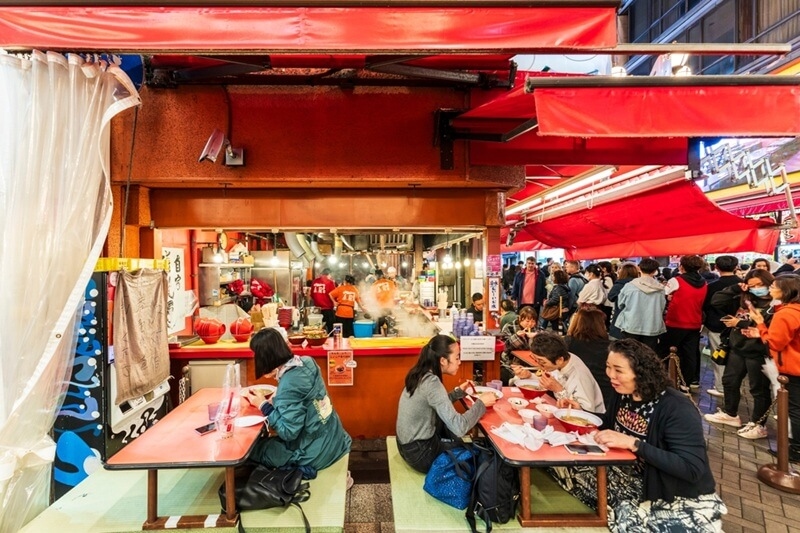
Right next door, Tennoji offers a contrast that feels almost intentional. After Shinsekai’s buzz, this area lets you breathe. It’s one of the Osaka areas to visit when you want balance.
Shitennoji Temple anchors the neighborhood. It’s one of Japan’s oldest, and you feel that age in the air. Walk slowly. Listen to gravel crunch underfoot. Even nearby streets seem to respect the calm.
Tennoji Park adds greenery, benches, and space to pause. For travelers from the USA, it’s a welcome reset button after busy distCafés.
You’lcafésd cafés here that don’t chase trends. They serve steady drip coffee, simple lunches, and familiar faces. It’s not flashy, but it’s real. And sometimes, that’s exactly what a culture walk needs.
If Osaka had a creative heartbeat, Nakazakicho would be it. Tucked near Umeda, this neighborhood feels like a secret passed by word of mouth. Old wooden houses nocafésd cafés, vintage shops, and tiny galleries.
Here’s the thing. You don’t plan Nakazakicho. You stumble into icaféne café leads to another. A bookstore opens into a courtyard. Someone’s dog naps by the door.
Food is thoughtful, often homemade. Think fluffy pancakes, curry with a twist, and pastries that disappear by noon. This area shows a softer side of popular Osaka neighborhoods.
Walking here feels personal. Streets are narrow. Signs are hand-painted. It’s a reminder that cities aren’t just built. They’re lived in.
Food walks get more interesting when cultures mix. Tsuruhashi does that beautifully. Known for its strong Korean influence, this area adds another layer to the Osaka districts guide.
The smell hits first. Barbecue smoke, garlic, spice. Korean restaurants line the streets, many family-run for generations. You’ll hear grills sizzle and see tables packed tight.
Markets sell kimchi, side dishes, and snacks you can eat while walking. It’s lively without feeling staged. Just daily life, turned up a notch.
What makes Tsuruhashi special isn’t just the food. It’s how seamlessly cultures blend. Osaka has always been open like that, absorbing influences and making them its own.
Umeda often gets labeled as just a business hub. That’s a half-truth. Yes, it’s polished and busy. But look closer, and you’ll find alleyways full of flavor.
Beneath the stations, entire worlds exist. Food halls, standing bars, and casual noodle shops serve office workers and night owls alike. It’s fast, affordable, and surprisingly good.
Walking here feels urban and efficient. For visitors used to cities like New York or Chicago, it feels familiar yet different.
Above ground, skyscrapers offer rooftop views and evening strolls. It’s a different mood, more modern, but still part of the Osaka travel areas worth walking.
Osaka isn’t a city you rush through with a checklist. It’s one you walk, taste, and feel. Each neighborhood adds a chapter. From the loud joy of Namba to the calm corners of Sumiyoshi, the Best neighborhoods in Osaka offer something deeper than attractions. They offer connection. For travelers from the USA looking for food and culture walks that feel human and real, these areas deliver moments you didn’t plan for but won’t forget.
Namba and Shinsekai stand out for street food. Both offer easy walking routes and plenty of quick bites along the way.
Yes, many of the Osaka areas to visit are flat and pedestrian-friendly. Public transit connects neighborhoods well, making walks easy to plan.
Sumiyoshi and Nakazakicho feel especially local. They show everyday life without heavy tourist crowds.
Three to four days works well. It gives you time to enjoy multiple Osaka travel areas without feeling rushed.
This content was created by AI